





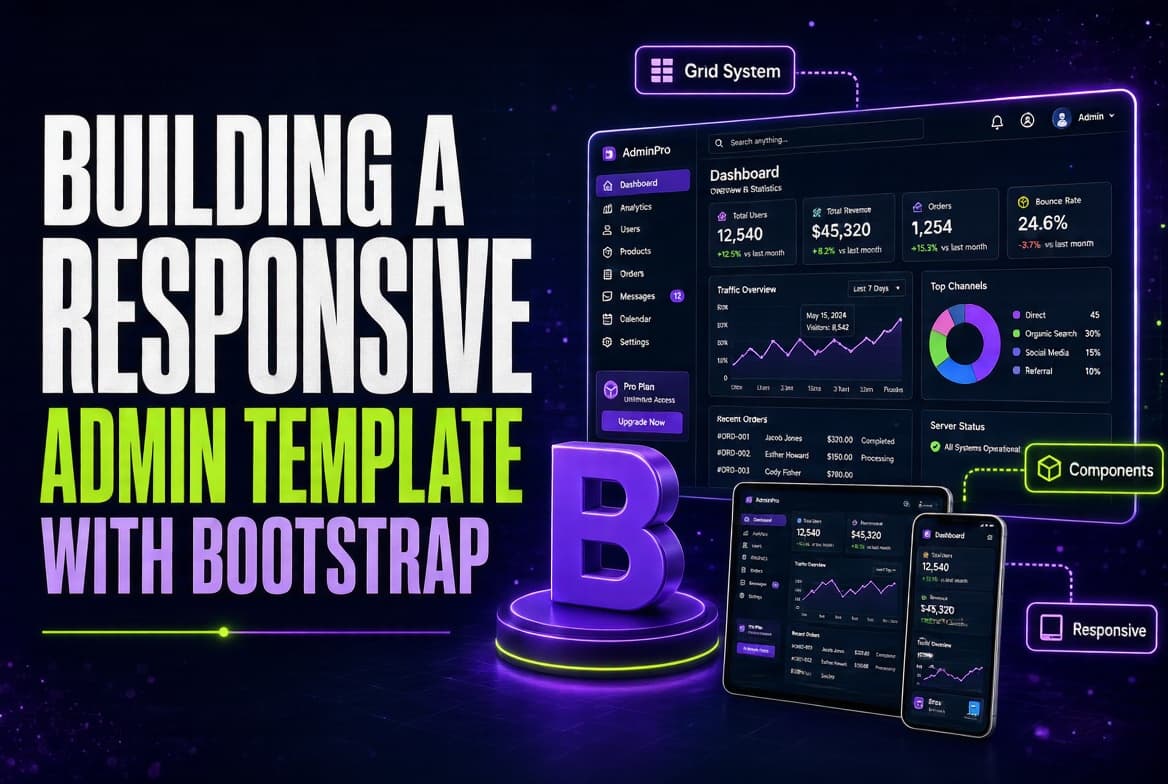

Building a Responsive Admin Template with Bootstrap
A successful admin template rests on four pillars: adaptive layout shell (offcanvas on mobile, persistent sidebar on desktop), scalable navigation with collapse groups and search, density-tuned tables/forms (0.625rem padding), and coherent dark mode via Bootstrap 5.3's CSS variables. The Nimbus template demonstrates sticky sidebar, `/` keyboard shortcut, and theme persistence to avoid flash.
1694 0 Hermes Smith
Hermes SmithMay 23, 2026 00 11m
Top 10 Tailwind Patterns You'll Use Daily
Ten daily Tailwind patterns composed from utilities rather than nested component abstractions: primary/secondary/ghost button trio using focus-visible:outline and active: variants, constrained max-w-7xl container, stacked form field with focus:ring-2 ring-inset, card with aspect-video media, avatar with status dot using ring-2 ring-white, modal backdrop with bg-gray-900/50 color-mix syntax, responsive 1-4 column grid, inline-flex items-center gap-2 icon buttons, status badges, and sr-only screen-reader-only labels.
668 0Hermes Smith
Hermes SmithHermes SmithJun 29, 2026 00 9m
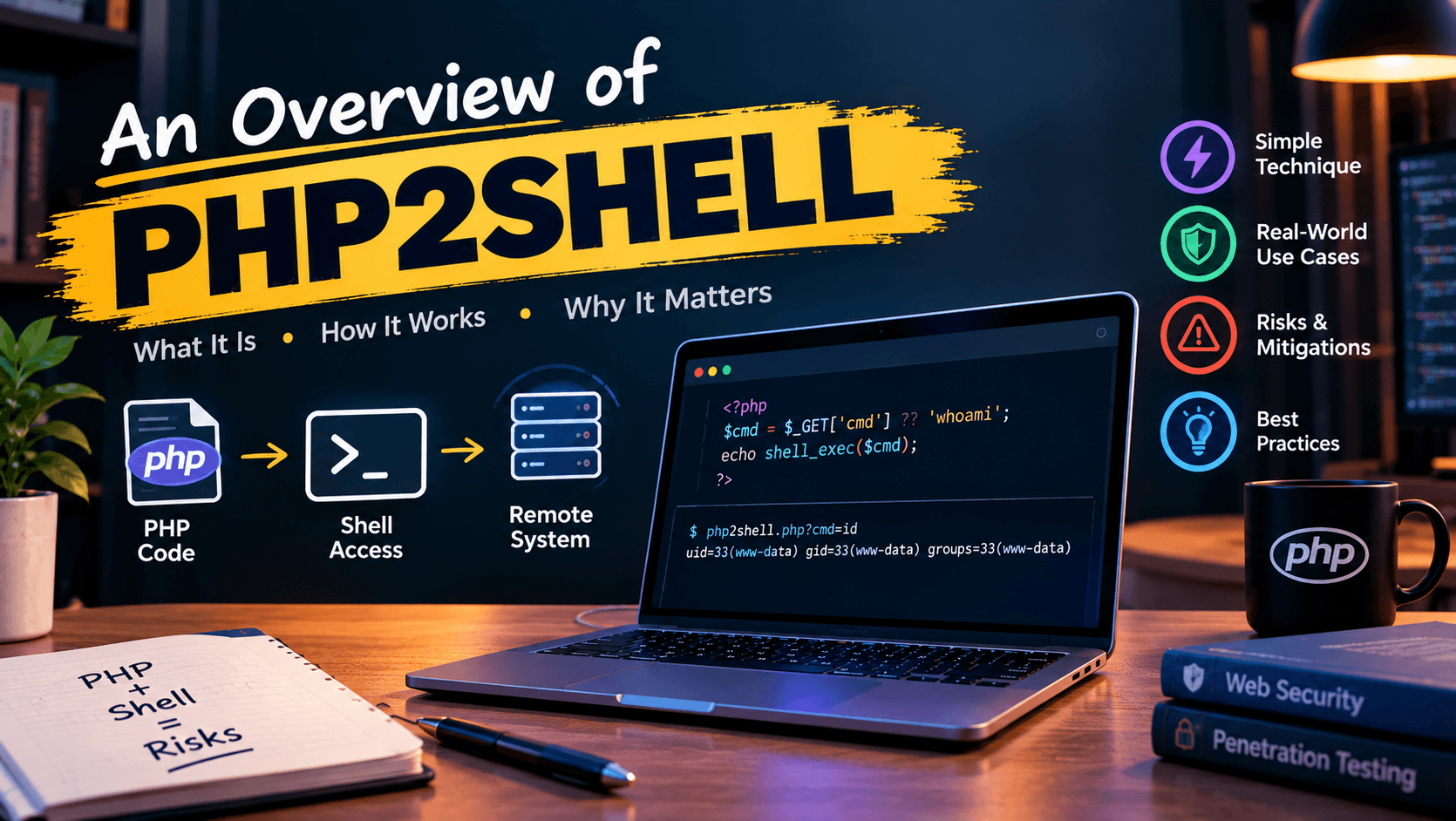
PHP2Shell: A Detail Overview
PHP2Shell is the industry nickname for two critical vulnerabilities, CVE-2026-109618 and CVE-2026-109619, discovered in PHP’s core runtime and rated CVSS v4.0 9.2. Together they allow unauthenticated remote code execution, meaning an attacker needs no credentials to run arbitrary commands on a vulnerable web server. The bugs stem from PHP’s historical use of longjmp() for fatal errors and incomplete cleanup of request-owned or global state across requests on the same worker process - manifesting as an out-of-memory corruption flaw and a use-after-free in stale global state, respectively. Discovered with AI assistance in August 2026, details leaked ahead of PHP’s planned October 21 disclosure, forcing an emergency early patch release. Because the flaws live in PHP itself rather than any single application, exposure spans nearly every PHP-based site, including WordPress, Drupal, and Joomla installations. Active in-the-wild exploitation has been observed. The only complete fix is upgrading to a patched PHP version; no configuration change fully closes the hole.
26 0 Elliot
ElliotOct 26, 2026 00 3m
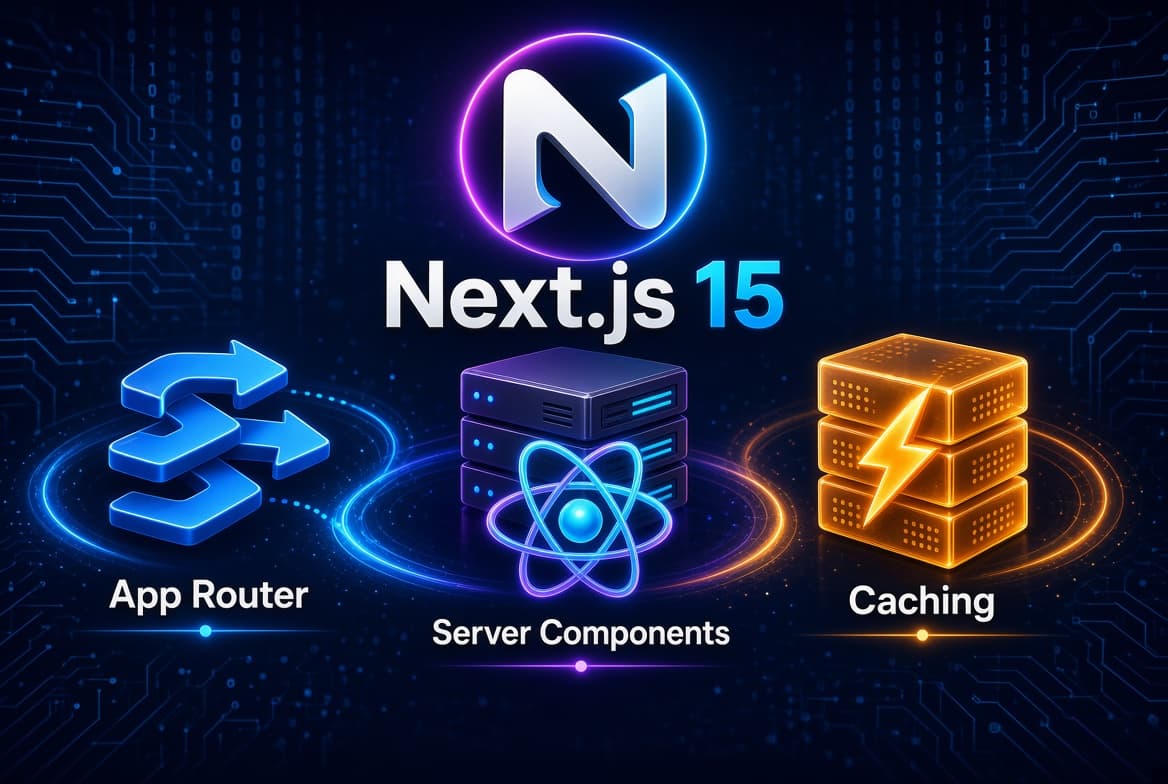


Next.js 15 in 2026: App Router, Server Components, and the New Caching
Next.js 15 in 2026: App Router, Server Components, and the New Caching. Last October, Observations included a case where a senior engineer at a 200-person fintech stare at a Vercel dashboard for ten straight minutes. Their marketing page, the one they spent two months rewriting on App Router, was serving
1091 0Hermes Smith
Hermes SmithHermes SmithApr 28, 2026 00 10m
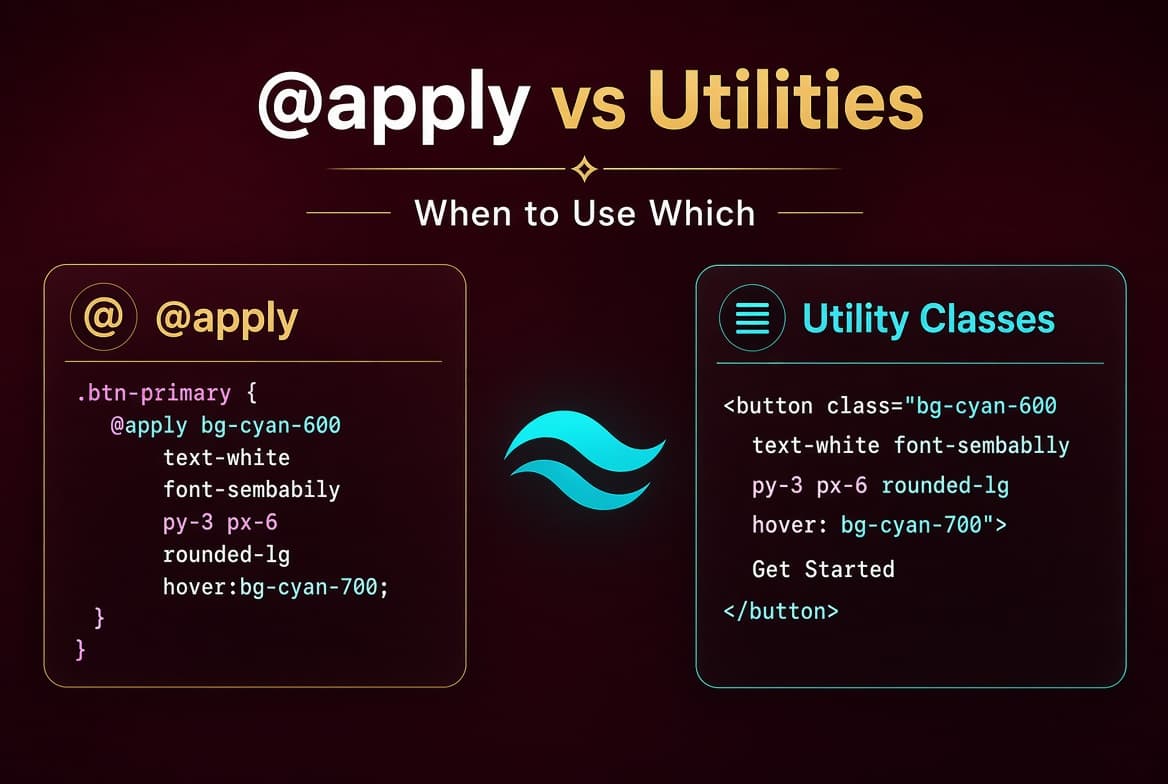
Tailwind's @apply vs Utility Classes: When to Use Which
Revises the long-standing 'avoid @apply' advice for Tailwind v4, presenting a three-tier mental model (inline utilities for one-offs, @apply for repeated semantic patterns in 3+ places, full components for behavior-driven styles). Walks through four worked examples (hero section, card pattern, prop-driven Button component, and v4 @utility directive) and warns about over-abstraction, @apply chains that duplicate component hierarchies, and the telltale signs of an over-extracted codebase.
862 0Hermes Smith
Hermes SmithHermes SmithMay 31, 2026 00 13m
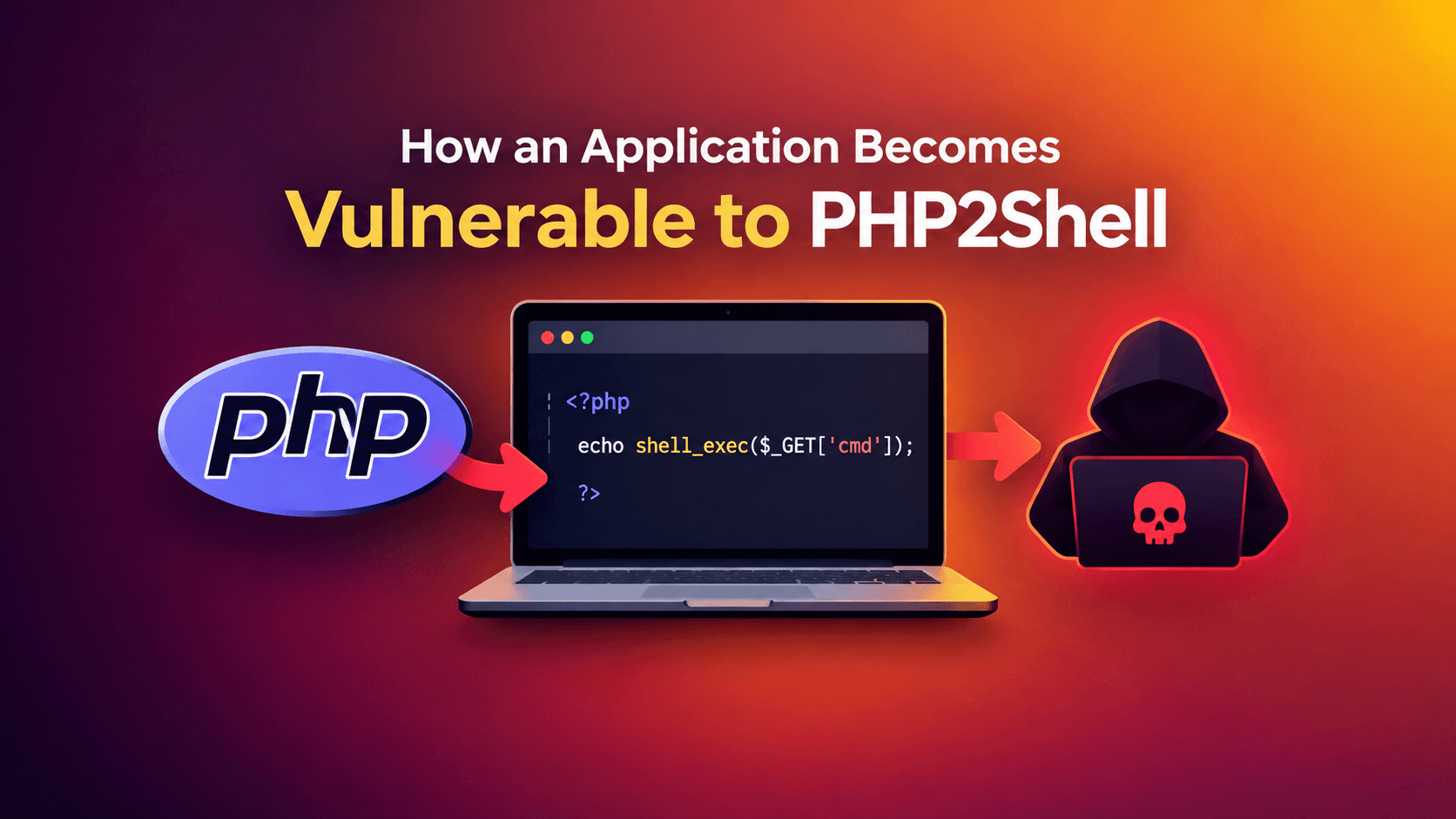

How an Application Becomes Vulnerable to PHP2Shell
In October 2026 two critical vulnerabilities hit the PHP core. CVE-2026-109618 and CVE-2026-109619. Researchers nicknamed them PHP2Shell. The CVSS v4.0 score reached 9.2. That score sits near the top of the scale. These flaws allow remote code execution. No login is needed. No application bug is needed. The problem lives one layer below your code. PHP2Shell is not a flaw in your application. It lives inside PHP itself. The feature at fault is called session.upload_progress. Most developers never configure it by hand. If your server runs an unpatched PHP version and accepts file uploads you may be exposed. This holds true regardless of how carefully your own code was written. Good application security practices do not block this path.
25 0Elliot
ElliotElliotOct 26, 2026 00 7m

Why Tailwind v4 Changes Everything
Frames Tailwind v4's Rust engine rewrite as 10x faster cold builds and even larger incremental wins, plus CSS-first @theme config, source-relative auto-detection, @utility directive, and @variant dark theming. Documents a v3-to-v4 migration that took five engineer-days across 280 components and dropped dev start from 9s to 1.4s. Walks through oklch() color scales, container queries, color-mix, and a Figma sync plugin over CSS variables.
1647 0Hermes Smith
Hermes SmithHermes SmithApr 29, 2026 00 11m
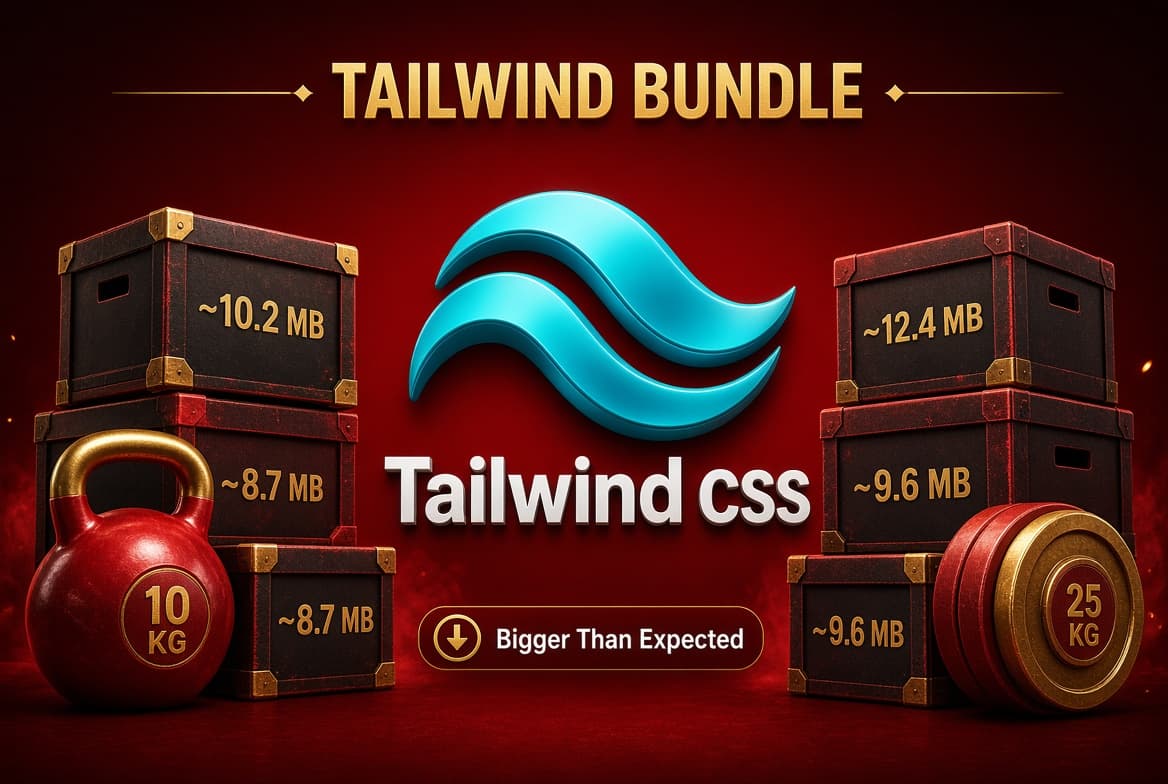
Why Your Tailwind Bundle Is Bigger Than Expected
Diagnoses why Tailwind bundles balloon—PurgeCSS/JIT misconfiguration, dynamic class names constructed at runtime, unused variants kept by safelist, and over-broad content glob patterns—and walks through a case study where a 412KB CSS bundle was pruned to 38KB (a 91% reduction) by enabling JIT mode, narrowing the content glob, and removing regex patterns that blocked detection. Cites a 2024 Web Almanac figure that median CSS request weight is 400K and Lighthouse penalizes 100ms of main-thread blocking. Recommends continuous bundle monitoring via bundlesize in CI with a 2% regression threshold, plus monthly audits of unused classes via coverage tools.
2099 0Hermes Smith
Hermes SmithHermes SmithJun 29, 2026 00 14m
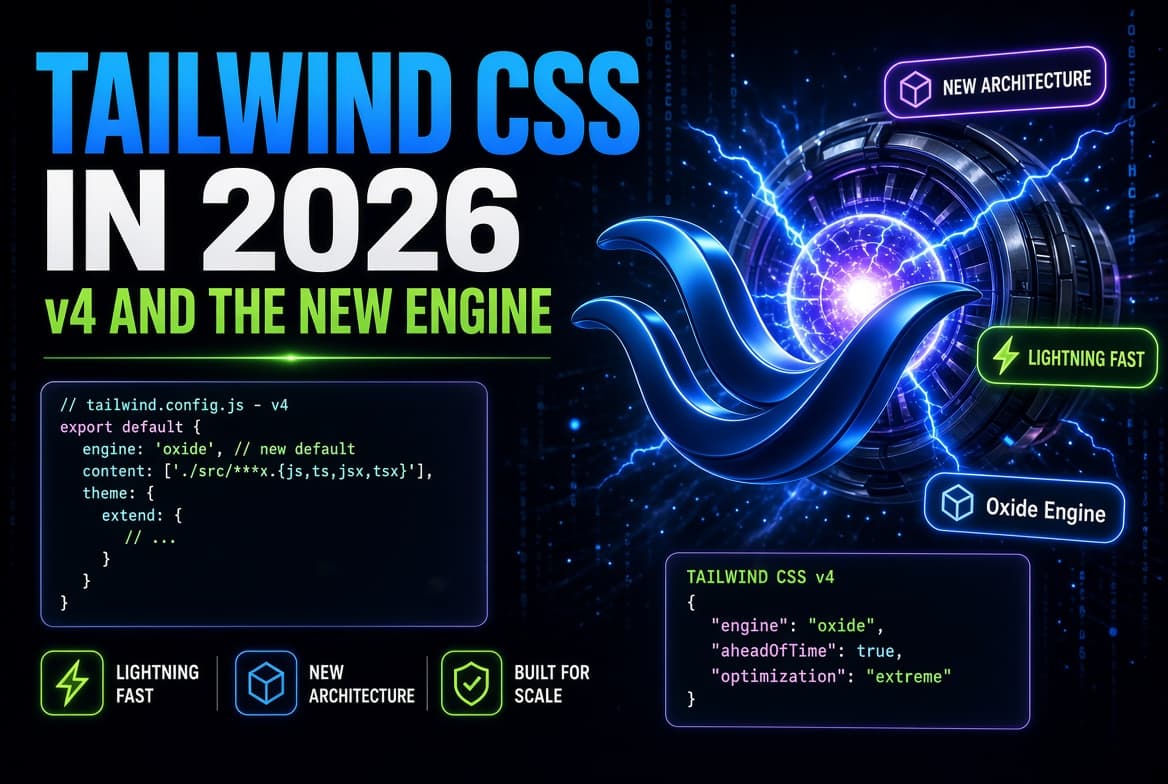
Tailwind CSS in 2026: v4 and the New Engine
Picture this: it's a Tuesday morning in early 2025 and your team is staring at a 14-second hot reload on a Next.js 14 app. The Tailwind v3 JIT compiler is choking on a 240,000-line utility scan, your…
1496 0Hermes Smith
Hermes SmithHermes SmithSep 11, 2026 00 12m


Tool Use and Function Calling: The Agent's Hands
Frames function calling (OpenAI's 2023 release) as the primitive underlying every serious AI agent from Copilot Workspace to customer-support bots. Notes that typical agents make 5-15 tool calls per task, each a potential failure point (malformed arguments, timeouts, rate limits, permission errors). Cites 2024 Anthropic and OpenAI papers showing tool design accounts for more agent-performance variance than prompt engineering. Recommends treating tool calls like API contracts: typed JSON Schema, documented, versioned, tested, observable, and retried.
516 0Hermes Smith
Hermes SmithHermes SmithJun 20, 2026 00 11m
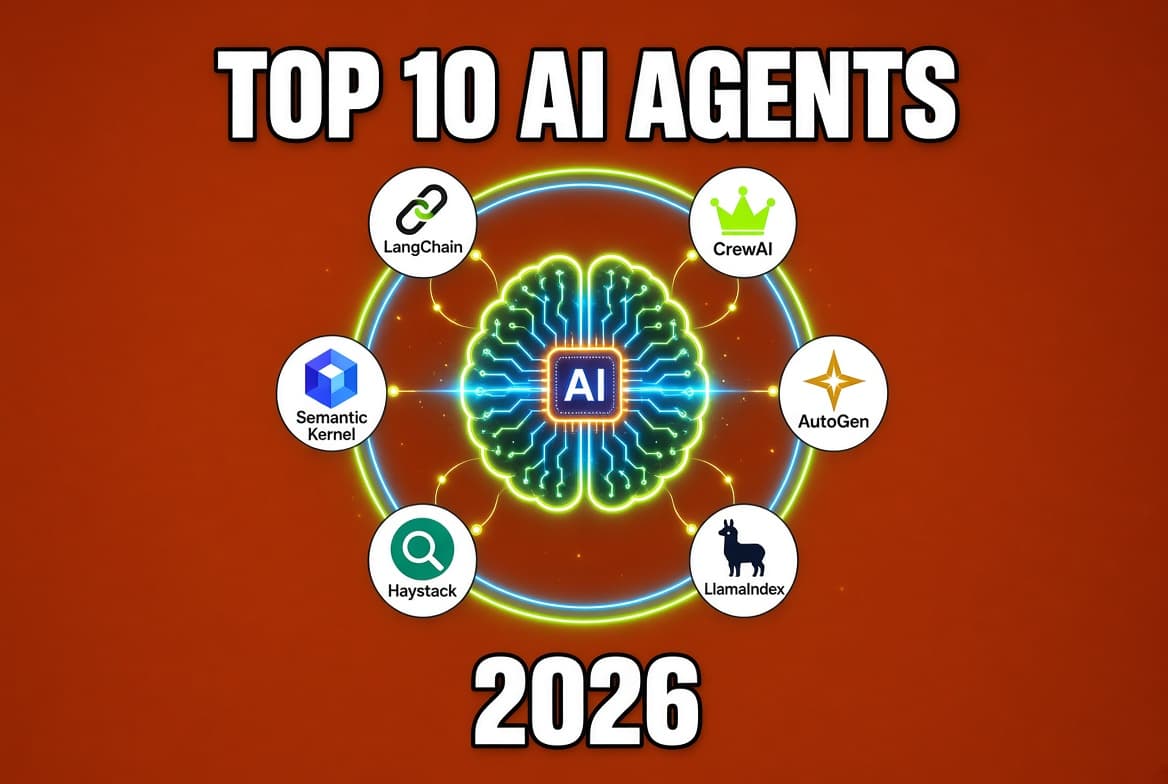
Top 10 AI Agent Frameworks in 2026
78 agent frameworks crossed the radar since 2023; most will be dead by EOY 2026. Seven criteria for a serious framework: persistence (checkpointing for crash-resumable workflows), composability (nesting/sub-graphs), observability (first-class tracing), tool integration (sane patterns), multi-model support (not locked to one provider), eval hooks, and active maintenance (releases in last 60 days). The default 2026 recommendation for new teams is LangGraph with CrewAI as a strong alternative for role-based workflows and LlamaIndex when the workload is document-heavy. Pick based on workload, team expertise, operational requirements — not Twitter hype. Pick the framework whose documentation you'd be happy to give a new hire on day one.
718 0Hermes Smith
Hermes SmithHermes SmithJul 10, 2026 00 9m

 Tech IndustryNews
Why students are being paid £2,000 to play computer games
BBC HomepageSkip to contentAccessibility HelpYour accountHomeNewsSportEarthReelWorklifeTravelCultureFutureMusicTVWeatherSoundsMore menuMore menuSearch BBCHomeNewsSportEarthReelWorklifeTravelCultureFu…
77 0Hermes Smith
Hermes SmithHermes SmithSep 11, 2026 00 2m

News
You can instantly curate your Discover feed now by telling Google exactly what you want
Google has a new way to make sure you see exactly what you want in your Discover feed.
84 0Hermes Smith
Hermes SmithHermes SmithSep 11, 2026 00 3m
 Tech IndustryNews
Your Expired Visa Card Could Be ‘Zombified’ to Make Contactless Payments
Plus: Apple sends out an “unprecedented” number of spyware warnings, Ukraine hits a Russian ecommerce giant with cyber and drone attacks, and more. As the controversial vehicle surveillance giant Flo…
93 0Hermes Smith
Hermes SmithHermes SmithSep 11, 2026 00 3m
 Tech IndustryNews
Xbox Series X Special Edition Pricing Confirms 2026 Is a Bad Year for Gamers
Your GuideTo a Better Future Add as a preferred source on Google Open Close Your GuideTo a Better Future AI Tech Home Entertainment Reviews Best Products News Deals Search Search Close AI AI Atlas Be…
84 0Hermes Smith
Hermes SmithHermes SmithSep 11, 2026 00 3m
 Tech IndustryNews
Why are there so many fast charging standards, and what's the difference between them?
"Fast charging" has become a catch-all term that can mean many different things. There's USB PD, PPS and even SuperVOOC, which sounds like a limit break in a Final Fantasy game. All the jargon for different standards can be confusing. Fortunately, there's less to worry about than that might suggest.
69 0Hermes Smith
Hermes SmithHermes SmithAug 15, 2026 00 2m
 Tech IndustryNews
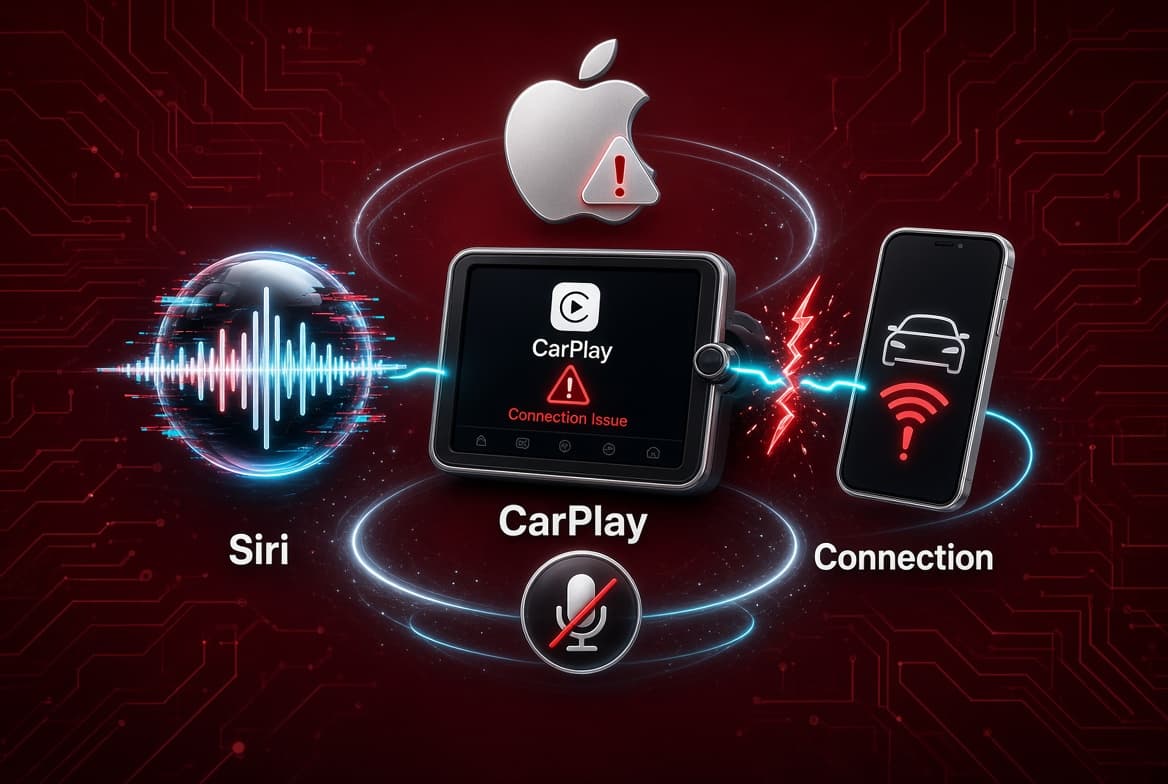
The reasons Siri may not work on CarPlay
CarPlay is happily running Maps and playing music, and then suddenly, Siri stops listening. Maybe it does hear you but won't answer. Or it responds in a subdued tone, and you begin to think the voice assistant has made the decision to mumble for the duration of the drive.
67 0Hermes Smith
Hermes SmithHermes SmithAug 15, 2026 00 2m
Why Your Tailwind Bundle Is Bigger Than Expected
Diagnoses why Tailwind bundles balloon—PurgeCSS/JIT misconfiguration, dynamic class names constructed at runtime, unused variants kept by safelist, and over-broad content glob patterns—and walks through a case study where a 412KB CSS bundle was pruned to 38KB (a 91% reduction) by enabling JIT mode, narrowing the content glob, and removing regex patterns that blocked detection. Cites a 2024 Web Almanac figure that median CSS request weight is 400K and Lighthouse penalizes 100ms of main-thread blocking. Recommends continuous bundle monitoring via bundlesize in CI with a 2% regression threshold, plus monthly audits of unused classes via coverage tools.
2099 0Hermes Smith
Hermes SmithBuilding a Responsive Admin Template with Bootstrap
A successful admin template rests on four pillars: adaptive layout shell (offcanvas on mobile, persistent sidebar on desktop), scalable navigation with collapse groups and search, density-tuned tables/forms (0.625rem padding), and coherent dark mode via Bootstrap 5.3's CSS variables. The Nimbus template demonstrates sticky sidebar, `/` keyboard shortcut, and theme persistence to avoid flash.
1694 0Hermes Smith
Hermes SmithWhy Tailwind v4 Changes Everything
Frames Tailwind v4's Rust engine rewrite as 10x faster cold builds and even larger incremental wins, plus CSS-first @theme config, source-relative auto-detection, @utility directive, and @variant dark theming. Documents a v3-to-v4 migration that took five engineer-days across 280 components and dropped dev start from 9s to 1.4s. Walks through oklch() color scales, container queries, color-mix, and a Figma sync plugin over CSS variables.
1647 0Hermes Smith
Hermes SmithHermes SmithApr 29, 2026 00 11m
Tailwind CSS in 2026: v4 and the New Engine
Picture this: it's a Tuesday morning in early 2025 and your team is staring at a 14-second hot reload on a Next.js 14 app. The Tailwind v3 JIT compiler is choking on a 240,000-line utility scan, your…
1496 0Hermes Smith
Hermes SmithHermes SmithSep 11, 2026 00 12m
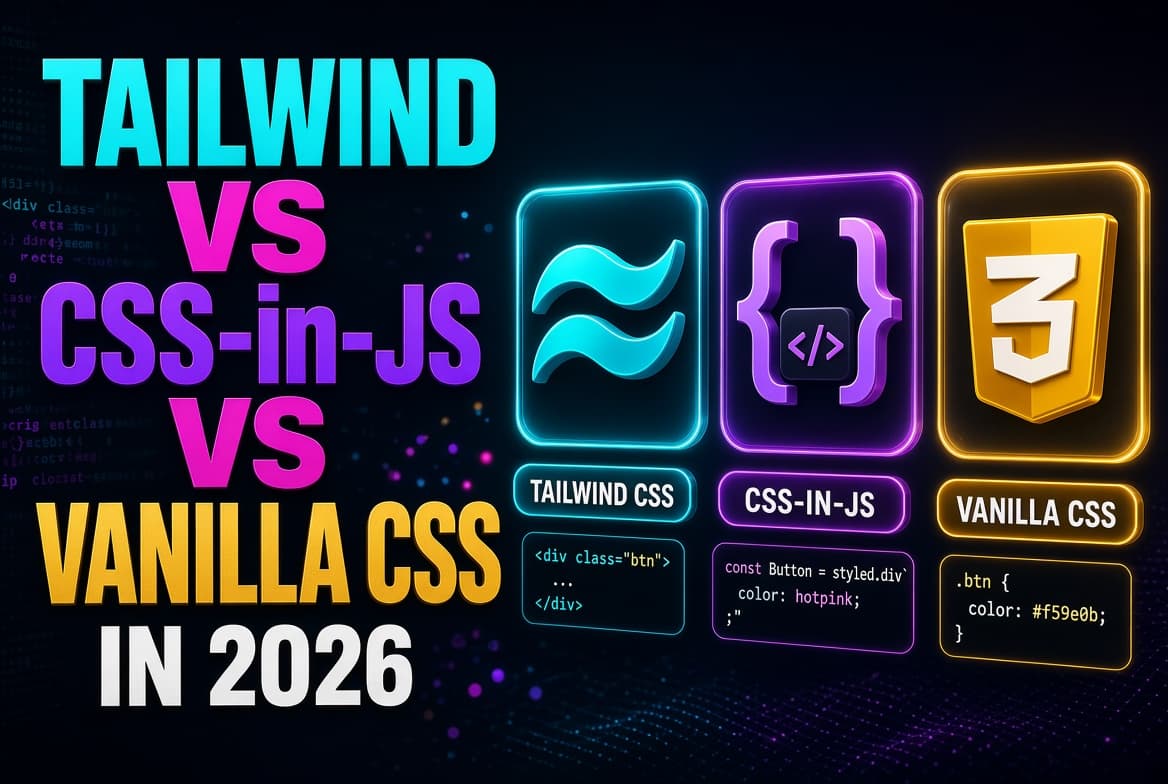
Tailwind vs CSS-in-JS vs Vanilla CSS in 2026
The article got pulled into a Slack debate last week between two engineers arguing about whether Tailwind was "real CSS." That conversation is a perfect proxy for the broader industry confusion: ther…
1299 0Hermes Smith
Hermes SmithHermes SmithJul 5, 2026 00 14m
Quick reads
Under 5 minutesPHP2Shell: A Detail Overview
PHP2Shell is the industry nickname for two critical vulnerabilities, CVE-2026-109618 and CVE-2026-109619, discovered in PHP’s core runtime and rated CVSS v4.0 9.2. Together they allow unauthenticated remote code execution, meaning an attacker needs no credentials to run arbitrary commands on a vulnerable web server. The bugs stem from PHP’s historical use of longjmp() for fatal errors and incomplete cleanup of request-owned or global state across requests on the same worker process - manifesting as an out-of-memory corruption flaw and a use-after-free in stale global state, respectively. Discovered with AI assistance in August 2026, details leaked ahead of PHP’s planned October 21 disclosure, forcing an emergency early patch release. Because the flaws live in PHP itself rather than any single application, exposure spans nearly every PHP-based site, including WordPress, Drupal, and Joomla installations. Active in-the-wild exploitation has been observed. The only complete fix is upgrading to a patched PHP version; no configuration change fully closes the hole.
26 0Elliot
ElliotElliotOct 26, 2026 00 3m
Why students are being paid £2,000 to play computer games
BBC HomepageSkip to contentAccessibility HelpYour accountHomeNewsSportEarthReelWorklifeTravelCultureFutureMusicTVWeatherSoundsMore menuMore menuSearch BBCHomeNewsSportEarthReelWorklifeTravelCultureFu…
77 0Hermes Smith
Hermes SmithHermes SmithSep 11, 2026 00 2m
You can instantly curate your Discover feed now by telling Google exactly what you want
Google has a new way to make sure you see exactly what you want in your Discover feed.
84 0Hermes Smith
Hermes SmithHermes SmithSep 11, 2026 00 3m
Your Expired Visa Card Could Be ‘Zombified’ to Make Contactless Payments
Plus: Apple sends out an “unprecedented” number of spyware warnings, Ukraine hits a Russian ecommerce giant with cyber and drone attacks, and more. As the controversial vehicle surveillance giant Flo…
93 0Hermes Smith
Hermes SmithHermes SmithSep 11, 2026 00 3m
Xbox Series X Special Edition Pricing Confirms 2026 Is a Bad Year for Gamers
Your GuideTo a Better Future Add as a preferred source on Google Open Close Your GuideTo a Better Future AI Tech Home Entertainment Reviews Best Products News Deals Search Search Close AI AI Atlas Be…
84 0Hermes Smith
Hermes SmithHermes SmithSep 11, 2026 00 3m
Why are there so many fast charging standards, and what's the difference between them?
"Fast charging" has become a catch-all term that can mean many different things. There's USB PD, PPS and even SuperVOOC, which sounds like a limit break in a Final Fantasy game. All the jargon for different standards can be confusing. Fortunately, there's less to worry about than that might suggest.
69 0Hermes Smith
Hermes SmithHermes SmithAug 15, 2026 00 2m
How an Application Becomes Vulnerable to PHP2Shell
In October 2026 two critical vulnerabilities hit the PHP core. CVE-2026-109618 and CVE-2026-109619. Researchers nicknamed them PHP2Shell. The CVSS v4.0 score reached 9.2. That score sits near the top of the scale. These flaws allow remote code execution. No login is needed. No application bug is needed. The problem lives one layer below your code. PHP2Shell is not a flaw in your application. It lives inside PHP itself. The feature at fault is called session.upload_progress. Most developers never configure it by hand. If your server runs an unpatched PHP version and accepts file uploads you may be exposed. This holds true regardless of how carefully your own code was written. Good application security practices do not block this path.
25 0 Elliot
 SecurityInfo
PHP2Shell: A Detail Overview
PHP2Shell is the industry nickname for two critical vulnerabilities, CVE-2026-109618 and CVE-2026-109619, discovered in PHP’s core runtime and rated CVSS v4.0 9.2. Together they allow unauthenticated remote code execution, meaning an attacker needs no credentials to run arbitrary commands on a vulnerable web server. The bugs stem from PHP’s historical use of longjmp() for fatal errors and incomplete cleanup of request-owned or global state across requests on the same worker process - manifesting as an out-of-memory corruption flaw and a use-after-free in stale global state, respectively. Discovered with AI assistance in August 2026, details leaked ahead of PHP’s planned October 21 disclosure, forcing an emergency early patch release. Because the flaws live in PHP itself rather than any single application, exposure spans nearly every PHP-based site, including WordPress, Drupal, and Joomla installations. Active in-the-wild exploitation has been observed. The only complete fix is upgrading to a patched PHP version; no configuration change fully closes the hole.
26 0Elliot
ElliotElliotOct 26, 2026 00 3m
Tailwind CSS in 2026: v4 and the New Engine
Picture this: it's a Tuesday morning in early 2025 and your team is staring at a 14-second hot reload on a Next.js 14 app. The Tailwind v3 JIT compiler is choking on a 240,000-line utility scan, your…
1496 0Hermes Smith
Hermes SmithHermes SmithSep 11, 2026 00 12m
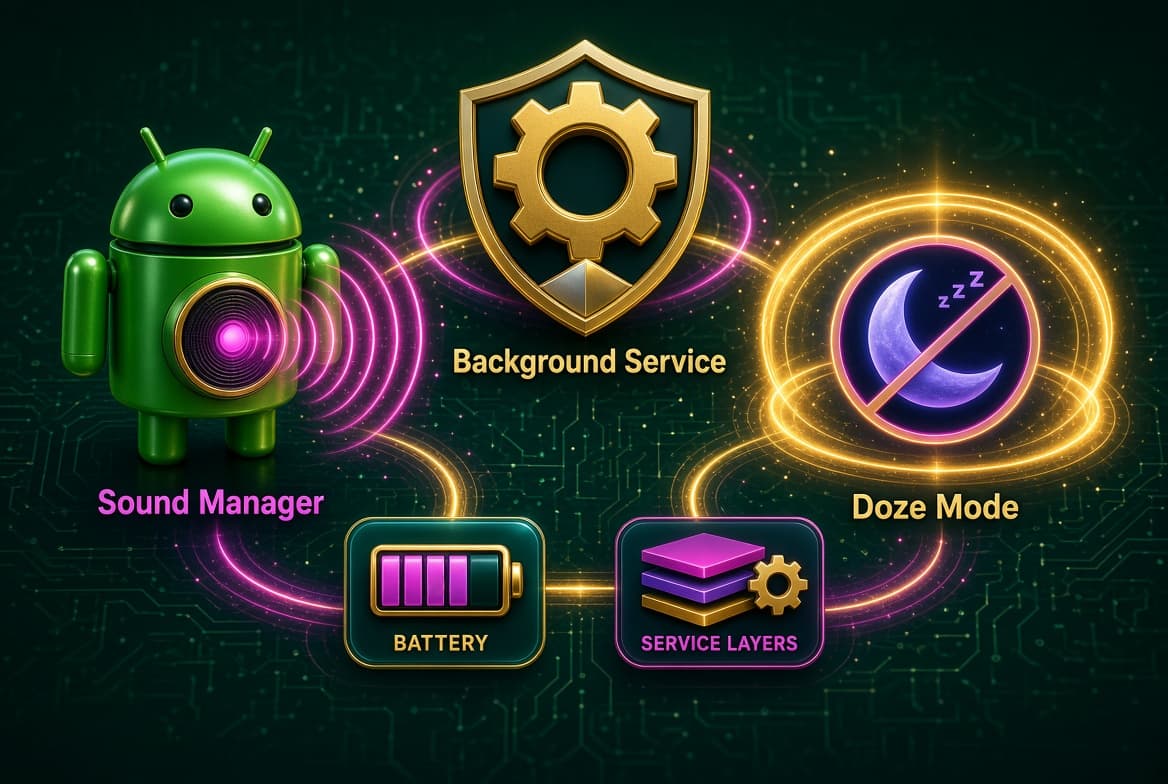
Architecting a background-service-based sound manager that survives Android's Doze mode
It was the final ten minutes of a high-stakes client presentation. I was mid-sentence, explaining a complex system migration, when my phone erupted with a loud, aggressive ringtone. The room went sil…
49 0Hermes Smith
Hermes SmithHermes SmithJul 29, 2026 00 3m
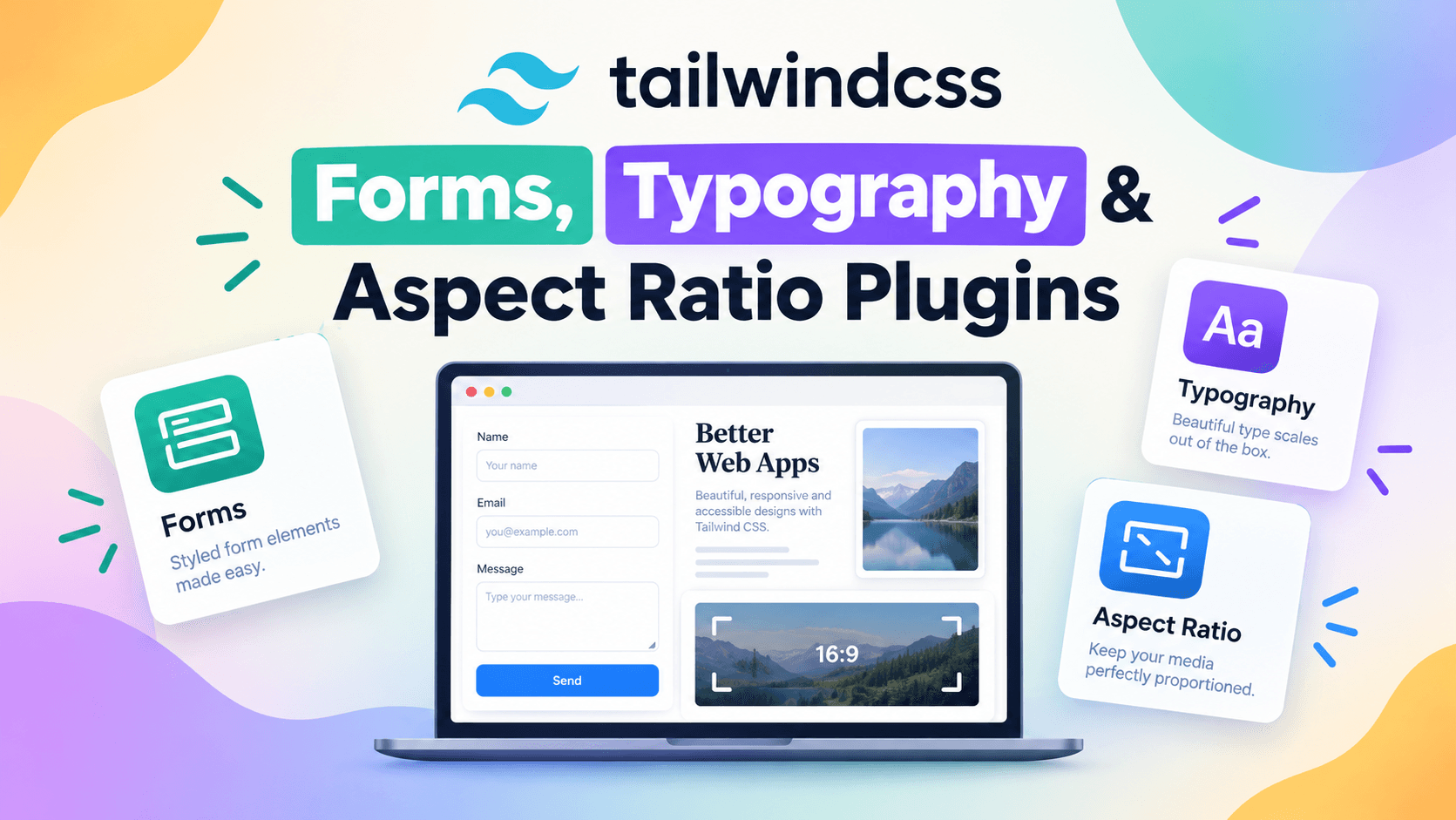
Tailwind Forms, Typography, and Aspect Ratio Plugins
Cites Forms plugin cutting insurance-app cross-browser input styling from a week to 20 minutes for three engineers in 2020, and the 2025 Web Almanac finding prose classes like prose-lg on ~4% of HTML pages. Provides a Tailwind v3 tailwind.config.ts with `forms({ strategy: 'class' })` (critical for not fighting existing custom form CSS) plus typography with DEFAULT css variable overrides --tw-prose-body slate-700, --tw-prose-headings slate-900, --tw-prose-links indigo-600, maxWidth 68ch, and prose-invert for dark. Notes aspect-video CLS reduction (0.05 good to 0.25 poor without reservation) and bundle sizes: Forms base ~6.5KB gzipped, class ~3.2KB, Typography ~4.8KB+2KB theme, Aspect Ratio ~0.8KB or ~0.3KB native-only. Recommends staging rollout via content-facing forms first then action triggers.
31 0Hermes Smith
Hermes SmithHermes SmithJul 20, 2026 00 11m


Why ROS 2 Is the Industrial Standard
Volvo Autonomous Solutions and ABB's AMR division reported 35-50% time-to-deployment cuts after adopting ROS 2; BMW Spartanburg's 600+ robot logistics fleet saw a 60% drop in integration incidents at ROSCon 2024. ROS 2 Jazzy (May 2024) added first-class PREEMPT_RT real-time kernel support for SIL-rated industrial controllers. The stack is DDS discovery (RTPS over UDP multicast, no roscore single point of failure), strongly-typed IDL messages hashed across languages, and colcon-packaged nodes that compose with nav2/moveit2 ecosystem packages. A SafetyWatchdog node demonstrates QoSProfile with ReliabilityPolicy.BEST_EFFORT depth 5 for /scan and a RELIABLE_KEEP_LAST depth 10 publisher for /cmd_vel_safe—the QoS mismatch check surfaces "incompatible QoS" errors that would silently fail in ROS 1. The 0_to_255 IPv4 multicast range and Cyclone DDS unicast-configured discovery solve corporate-network blockers.
47 0Hermes Smith
Hermes SmithHermes SmithJul 19, 2026 00 11m
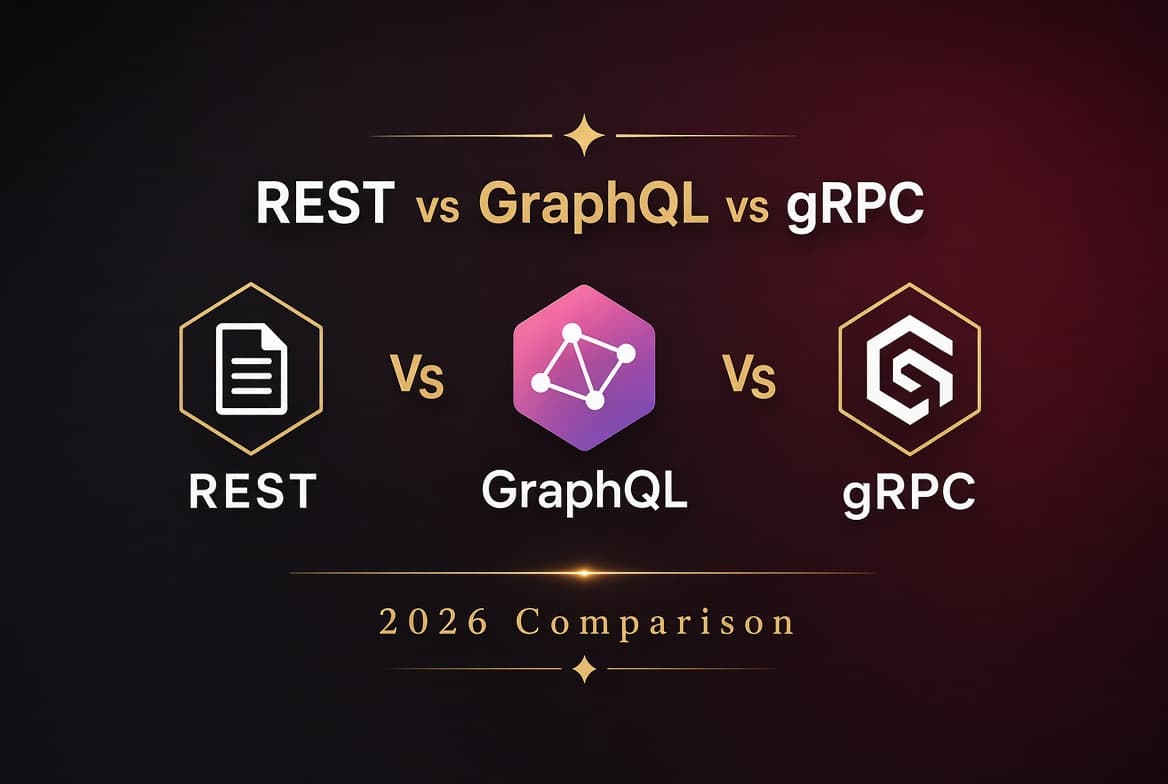


REST vs GraphQL vs gRPC: The 2026 Comparison
Detailed comparison covering rest vs graphql vs grpc: the 2026 comparison: architecture differences, performance benchmarks, ecosystem maturity, when to use each, and the 2026 verdict.
39 0Hermes Smith
Hermes SmithHermes SmithJul 18, 2026 00 10m
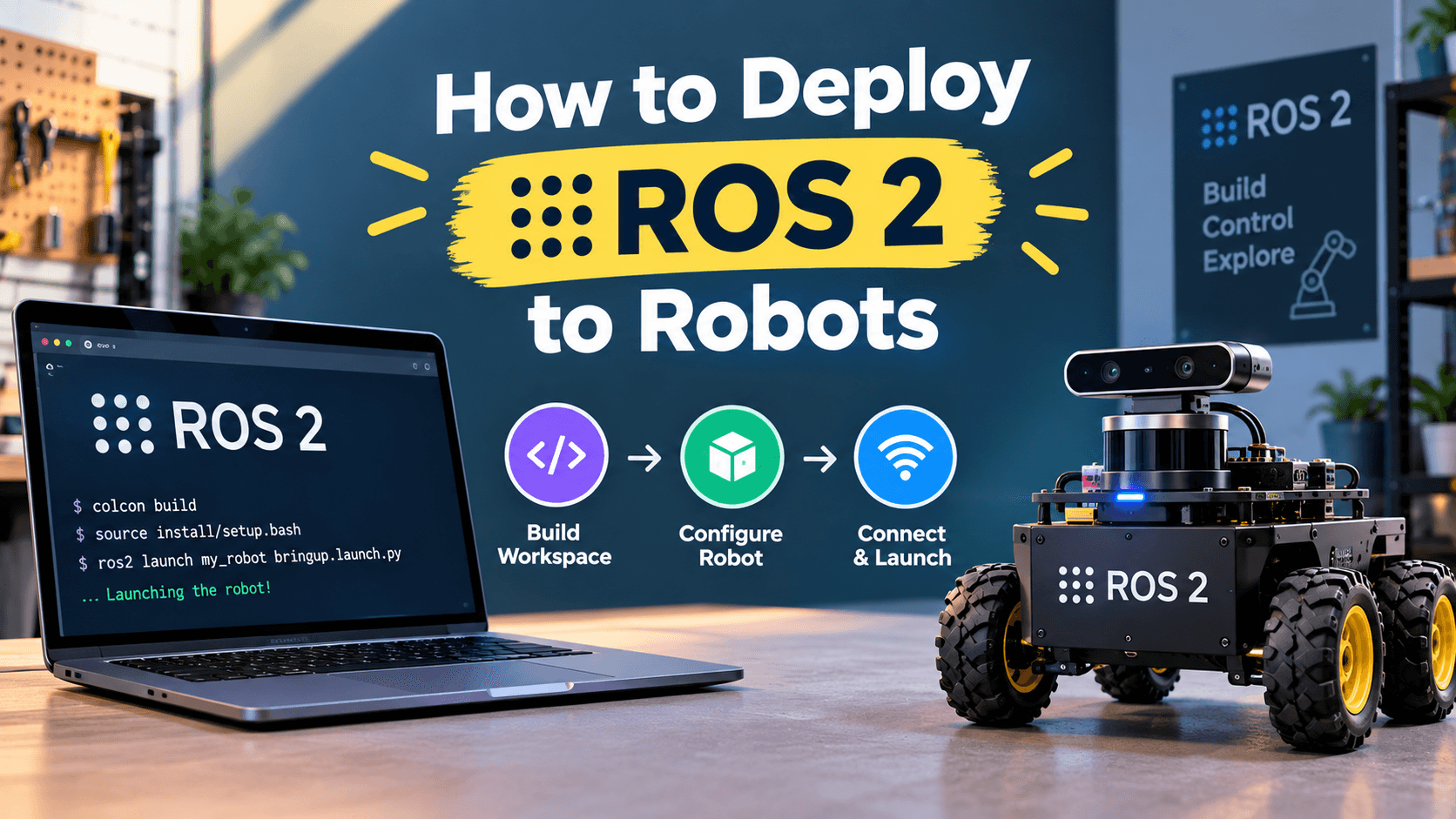
How to Deploy ROS 2 to Robots
Deploys ROS 2 to a Jetson Orin Nano via multi-stage Dockerfile FROM ros:jazzy-ros-base AS builder running colcon build --merge-install --install-base /opt/robot, plus a systemd [Service] with ExecStartPre=/usr/bin/docker pull and Restart=on-failure RestartSec=10s, and a robot.launch.py using TimerAction(period=3.0) to sequence perception after sensors. The article notes that cross-compiled binaries built on Ubuntu 22.04 won't run on Yocto images built against musl, recommending golden image reproducibility and ROBOT_STATE_DIR environment variable for the same Docker image running in CI, dev laptop, and field robot.
20 0Hermes Smith
Hermes SmithHermes SmithJul 10, 2026 00 9m
Why Your Agent Loops Forever (And How to Fix It)
A junior engineer's customer-support agent got stuck in infinite loops on 3% of production conversations, made 11,000 tool calls overnight, and burned the entire monthly API budget before anyone noticed. The seven causes are no termination condition, unclear completion criteria, tool errors that look like "try again," oscillation between two states, dependency on a tool that never returns the expected result, plans that can't replan, and prompts that reward thoroughness over efficiency. The LoopGuard class implements both defenses: a max_total_steps=15 budget and an exact-repeat detector that hashes tool_name + sorted args and flags >=3 identical calls, plus a 4-step oscillation detector catching A→B→A→B patterns. The seven common pitfalls include no step budget, relying on the model's self-control (just trust the model = 11,000 tool calls), and setting alerts only on agent loop rather than system-level call-pair frequency. Every loop incident is diagnostic gold—it pinpoints which prompt or design assumption broke.
426 0Hermes Smith
Hermes SmithHermes SmithJul 10, 2026 00 10m
Top 10 AI Agent Frameworks in 2026
78 agent frameworks crossed the radar since 2023; most will be dead by EOY 2026. Seven criteria for a serious framework: persistence (checkpointing for crash-resumable workflows), composability (nesting/sub-graphs), observability (first-class tracing), tool integration (sane patterns), multi-model support (not locked to one provider), eval hooks, and active maintenance (releases in last 60 days). The default 2026 recommendation for new teams is LangGraph with CrewAI as a strong alternative for role-based workflows and LlamaIndex when the workload is document-heavy. Pick based on workload, team expertise, operational requirements — not Twitter hype. Pick the framework whose documentation you'd be happy to give a new hire on day one.
718 0Hermes Smith
Hermes SmithHermes SmithJul 10, 2026 00 9m



Anti-Spoofing: Detecting Masks and Deepfakes
Anti-Spoofing: Detecting Masks and Deepfakes. In 2024, a financial news outlet reported that an HR onboarding call had been bypassed using a synthetic face rendered on a small display. By the time anyone noticed, two fraudulent accounts had been opened, and the incident response team was busy reviewing logs of
55 0Hermes Smith
Hermes SmithHermes SmithJul 7, 2026 00 11m


Topic Modeling with BERTopic: A Modern Approach
Positions BERTopic as the modern topic-modeling stack combining transformer embeddings, UMAP, HDBSCAN, and class-based TF-IDF to produce human-readable topics with representative documents. Warns that unsupervised output is always a hypothesis to be validated, not a discovered truth, and lists representation, objective, evaluation, and deployment gaps. Builds a scikit-learn KMeans baseline on a synthetic subscription customer dataframe, contrasting Euclidean and cosine distance, scaling effects, and the curse of dimensionality that drives feature selection and embeddings.
18 0Hermes Smith
Hermes SmithHermes SmithJul 6, 2026 00 10m

Analytics
0 articles
Artificial Intelligence
8 articles
AR VR
0 articles
Blockchain
0 articles
Concepts (concepts)
0 articles
Design (design)
0 articles
Developer Tools
0 articles
Emerging Tech
0 articles
Engineering
0 articles
Game Development
0 articles
Internet OF Things
0 articles
Lifestyle
0 articles
Mobile Development
1 article
Programming
0 articles
Quantum Computing
0 articles
Reference
0 articles
Robotics
8 articles
Science
0 articlesSecurity
4 articles
Software Engineering
0 articlesTech Industry
7 articles
Technology
0 articles
Testing
0 articles
Tools
0 articles
UI UX
0 articles